
The Press Box
Connectivity is the enabler, not the end product
The inflight connectivity conversation has focused on getting passengers online: coverage, speed, reliability and bandwidth. The question for airlines is increasingly not simply “Are we connected?”, but “What can we do with that connection?”
As high-speed connectivity reaches more aircraft, the conversation needs to move forward. Giving passengers an internet connection is one use of connectivity. Using that connection to create better experiences, deliver more relevant services and generate new revenue is a much bigger opportunity.
From bandwidth to better experiences
A connected aircraft creates the foundation for a much richer digital passenger experience.
Content can become more dynamic. Retail catalogues and menus can stay current. Payments can happen live. Advertising and entertainment recommendations can become more relevant. Journey information and destination services can respond to what passengers actually need.
Connectivity can turn the aircraft from a largely static digital environment into a more responsive one.
That’s where its real value starts.
Make connected feel connected
Passengers already live in a digital world built around context. Streaming platforms recommend what to watch. Travel apps respond when plans change. Retail experiences adapt to preferences and behaviour.
As aircraft connectivity improves, passengers will increasingly expect the same relevance onboard.
A passenger approaching their destination could see local weather, arrival information and onward transport options. Someone ordering food could see current availability and pay directly from their device. A passenger facing disruption could receive useful information before landing.
Entertainment, retail, advertising and journey services can all become more relevant to the passenger, the route and the moment. That’s the difference between simply connecting passengers and creating a connected passenger experience.
Turn connectivity into revenue
Passenger Wi-Fi is only one part of the commercial opportunity.
A connected digital environment creates more touchpoints for airlines to generate value throughout the journey: from order-to-seat food and beverage to destination services, ground transport, hotel bookings, upgrades, partner offers and advertising.
But the opportunity isn’t about putting more things in front of passengers. It’s about making them relevant.
There’s a big difference between showing every passenger the same retail catalogue and offering a useful service because it makes sense for that passenger, on that journey, at that moment.
The first digitises retail. The second creates connected commerce.
Make it useful, not intrusive
More connectivity shouldn’t mean more selling. The strongest commercial experiences solve a genuine passenger need.
Ground transport offered before arrival can make a late landing easier. A lounge option may be useful during a long connection. Ordering and paying for food from a personal device removes friction onboard.
When an offer is timely and useful, commerce becomes part of the passenger experience rather than an interruption to it. That’s where better passenger experience and stronger ancillary performance meet.
Rethink what needs to sit onboard
Better connectivity also changes how digital passenger services can be delivered.
Traditionally, much of the inflight digital experience has depended on systems and content hosted onboard. As connectivity becomes more capable, not everything needs to work that way.
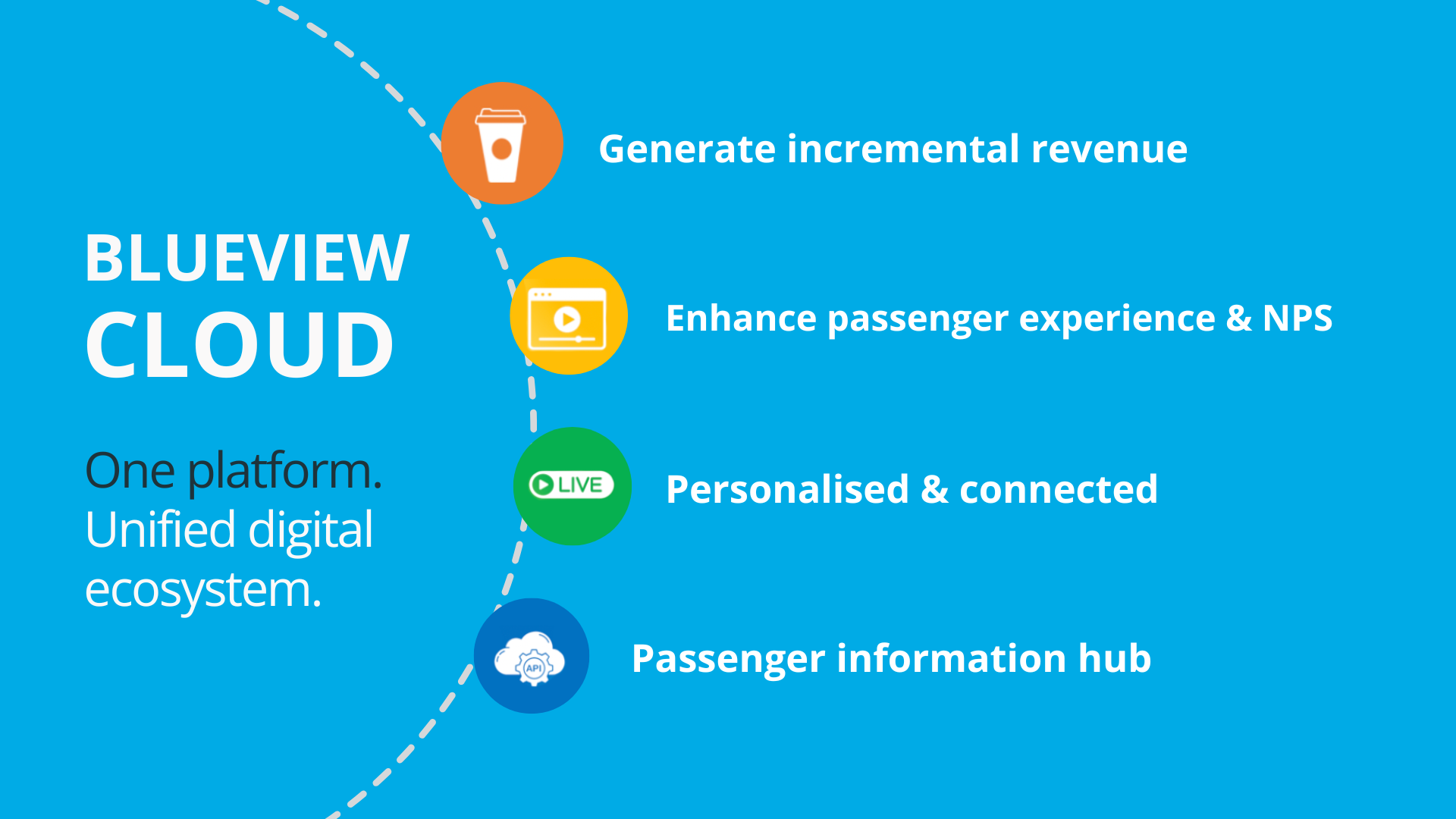
Blueview Cloud is designed for this changing environment, bringing entertainment, retail and passenger services together through one connected digital platform. Where connectivity permits, services can be delivered through a cloud-hosted model, giving airlines more scope to keep experiences current, contextual and commercially relevant.
Put simply: Connectivity provides the infrastructure. Blueview Cloud helps turn it into an experience.
Different airlines, different paths
The industry won’t become fully connected overnight.
Airlines operate mixed fleets. Connectivity programmes move at different speeds. Aircraft have different technical capabilities. What works for one fleet today may not be right for another.
That’s why flexibility matters.
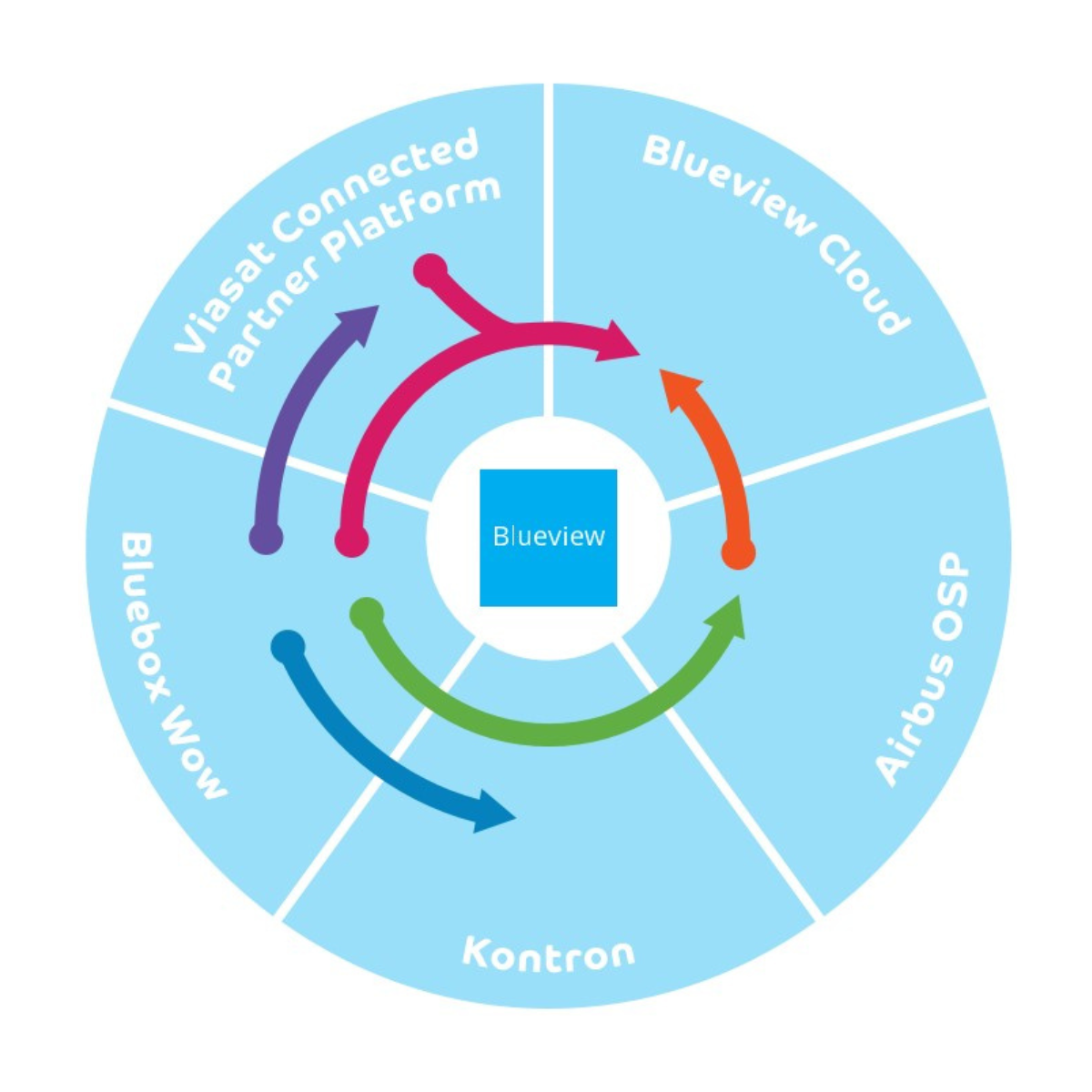
The Bluebox Transition Deployment Model gives airlines a way to deliver digital passenger experiences today while retaining the flexibility to evolve as aircraft, infrastructure and connectivity strategies change.
The destination may be a more connected cabin. How each airline gets there will be different.
Make connectivity work harder
The next connectivity conversation shouldn’t simply be about whether an aircraft is connected.
It should be about what that connection makes possible.
Can it make the journey easier? Make passenger engagement more relevant? Create new commercial opportunities? Evolve as the airline’s needs change?
As connectivity becomes faster and more widely available, airlines have an opportunity to turn bandwidth into something much more valuable: better service, smarter engagement and stronger commercial outcomes.
Connectivity is the enabler. What airlines do with it is where the real opportunity starts.
Find out more about Blueview Cloud or how we can help you achieve your inflight experience vision and passenger journey plans by getting in touch with us for a chat.
Stay tuned for more insights from the Bluebox Aviation newsroom and LinkedIn.
Any trademark used or referred to in this press release remains at all times the property of its respective owner(s)